

The La Brea Tar Pits and Museum is an Ice Age fossil site in Hancock Park, in Los Angeles’s Miracle Mile neighborhood. Its outdoor grounds include paths around tar pits, excavation sites and a garden of native ecological systems, making the site’s landscape part of the visit.
The museum’s history reaches back to a major excavation project that began in 1913. For current access and visitor details, check the official site before you go.
- Location: 5801 Wilshire Boulevard, Los Angeles, adjacent to LACMA.
- What’s outdoors: A public park with paths around excavation sites, Lake Pit and the Pleistocene Garden.
- Site history: A 1913 excavation project recovered a million fossil bones from 96 pits.
- Plan ahead: Check the official site before you go for current access and visitor information.
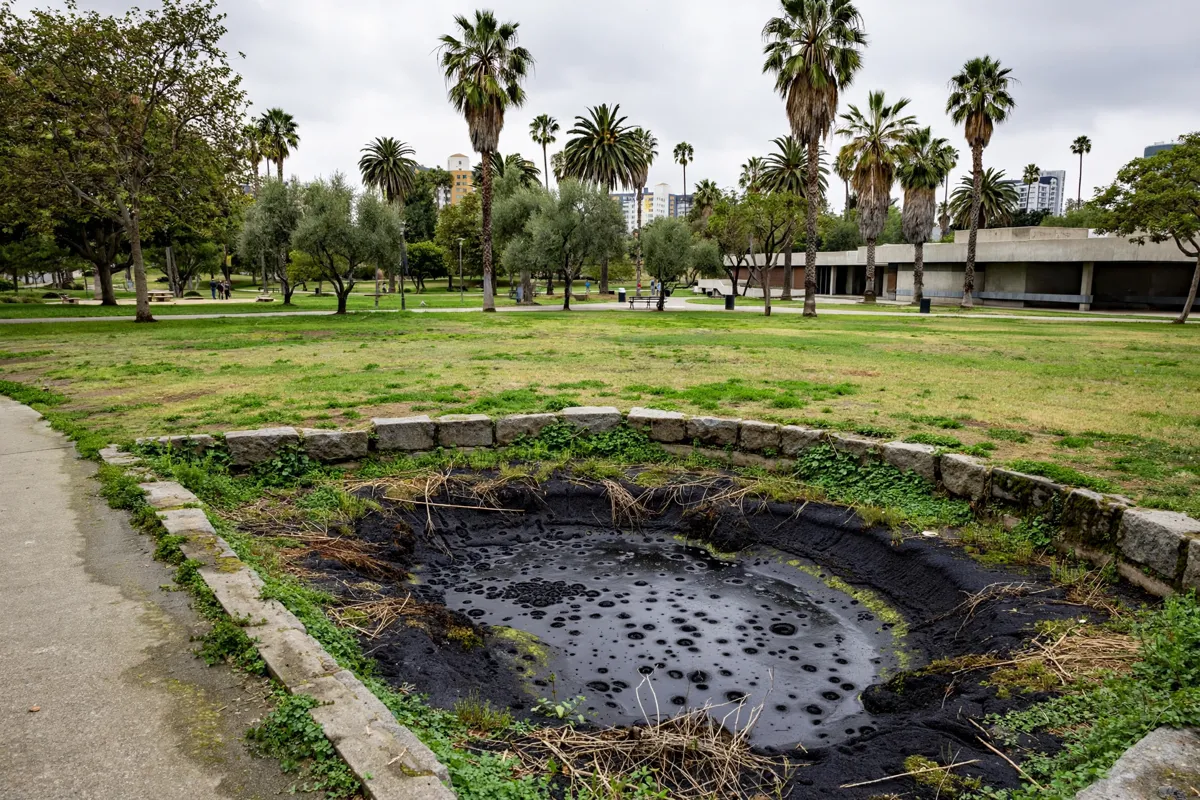
What the La Brea site includes
The La Brea site combines an active fossil landscape with a public park in Hancock Park. Its outdoor paths pass excavation areas, Lake Pit and the Pleistocene Garden.
The grounds sit at 5801 Wilshire Boulevard, directly adjacent to LACMA. The site is bounded by West 6th Street to the north, South Curson Avenue to the east, Wilshire Boulevard to the south and LACMA to the west.
The black material often called tar is asphalt, which seeps to the surface throughout the park. The Lake Pit is a remnant of commercial asphalt mining in the late 1800s; rainwater and groundwater collect above the bubbling asphalt.
The Pleistocene Garden represents four ecological systems: Coastal Sage, Riparian, Mixed Evergreen/Redwood Forest and Chaparral. Together, the garden and the pits show different aspects of the site’s landscape and fossil story.
What can you see outdoors at the tar pits?
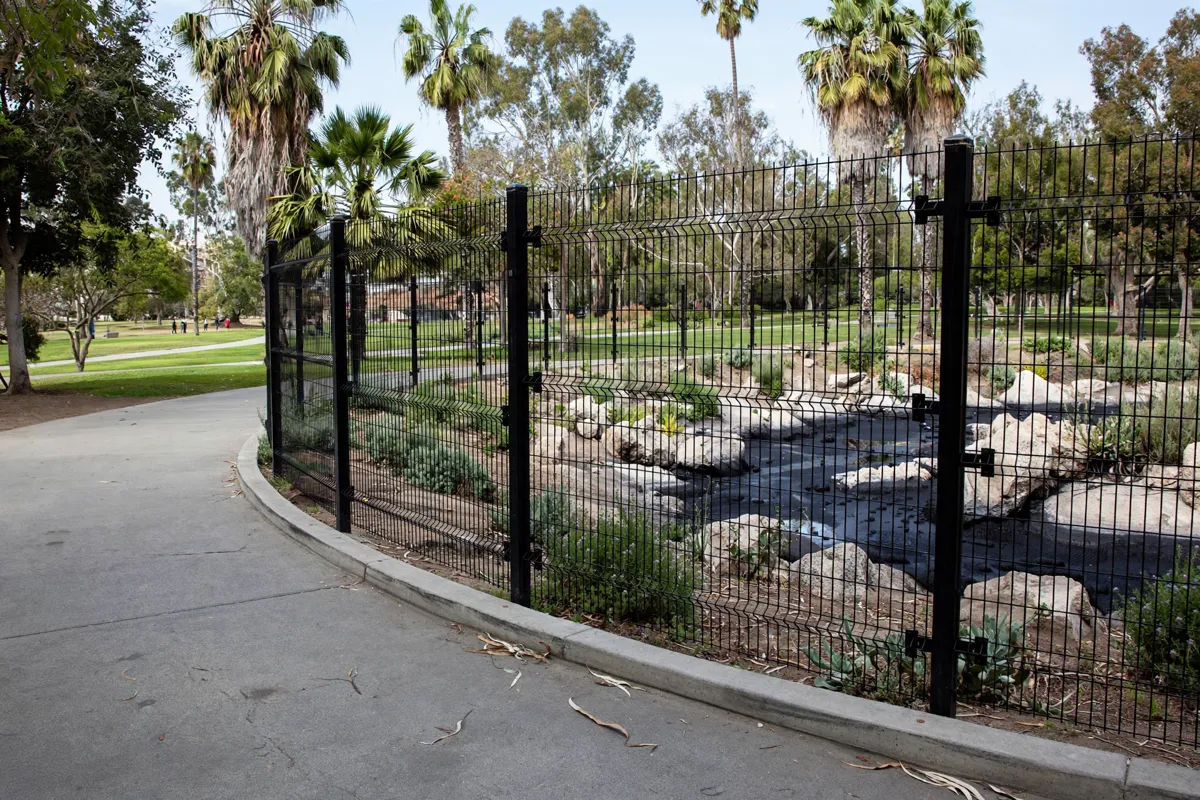
You can follow park paths around excavation sites and Lake Pit, with the Pleistocene Garden also part of the grounds. The fossil deposits remain an active subject of excavation.
Project 23, Pit 91 and the Observation Pit are identified as live excavations. Other named features on the site plan include Lake Pit, Pit 9, Pit 13, Pits 3 and 4, Pits 61/67, the Pleistocene Garden and the Observation Pit. Site features and access can change, so check current details before setting out.
The Hancock family purchased Rancho La Brea in the 1870s and encouraged scientific investigation of its fossil deposits. In 1913, the Los Angeles County Museum of History, Science, and Art began a two-year excavation project that recovered a million fossil bones from 96 quarries, or pits. The George C. Page Museum opened to the public in 1977.
How do you get to the La Brea Tar Pits?
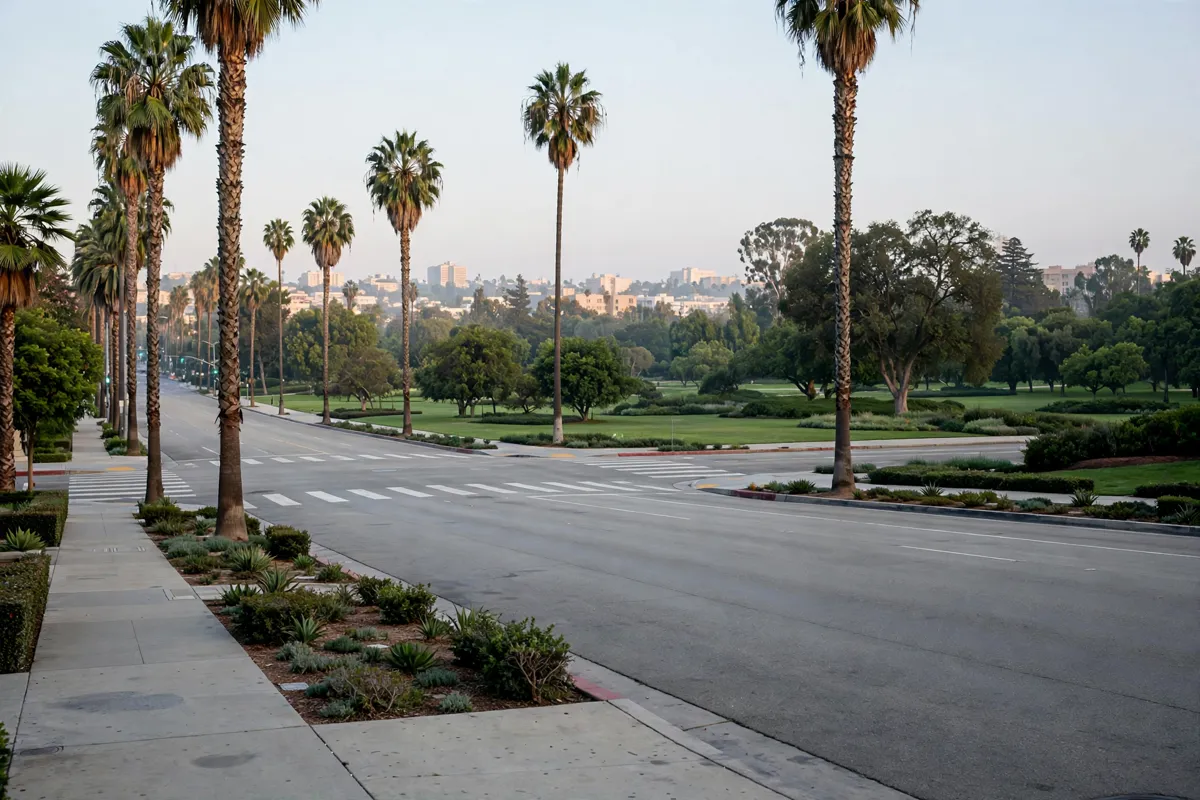
The site is on Wilshire Boulevard in the Miracle Mile, with its parking lot at the northeast corner of the grounds. The lot is at South Curson Avenue and West 6th Street.
If you’re planning a route from Beverly Hills, use a current map or transport service to check the journey and options.
No travel time from the hotel to the site is available here, so allow for route conditions when you plan your day. You can use the linked The Crescent Hotel Beverly Hills page for hotel details while organizing your stay.
What should you know about admission and access?

The outdoor grounds are described as a public park with paths around the excavation sites, Lake Pit and the Pleistocene Garden. Specific ticket prices, museum opening hours and current indoor access details are not provided here, so verify those details before making plans.
The site plan places the parking lot at South Curson Avenue and West 6th Street. If you need information about accessible routes or other visitor facilities, confirm what is currently available with the official site before travelling.
Which other museums can you pair with a visit?
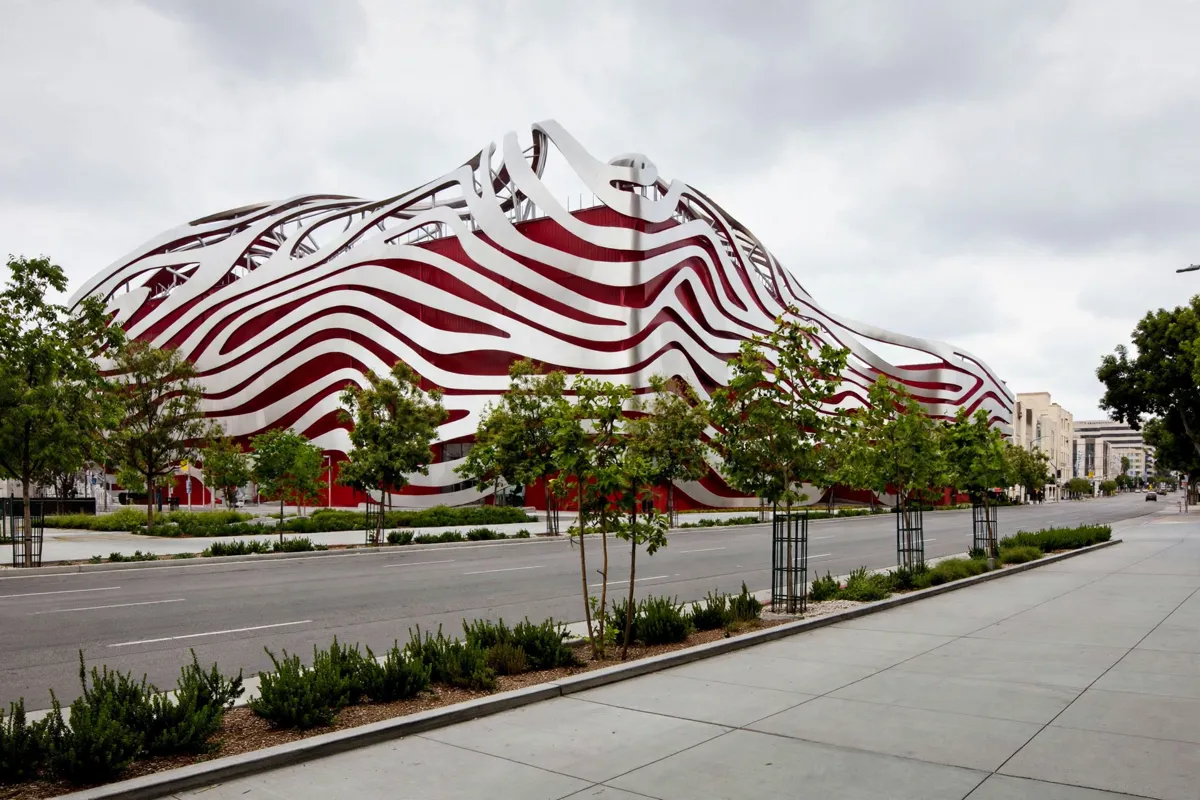
LACMA is directly adjacent to the La Brea Tar Pits site. For other museum ideas, browse this guide to the Petersen Automotive Museum or plan a separate visit with the Academy Museum of Motion Pictures guide.
These are distinct museum visits, so check each institution’s current hours, admission and access information before deciding how to arrange your day.
FAQs
Where are the La Brea Tar Pits?
They are at 5801 Wilshire Boulevard in Hancock Park, in Los Angeles’s Miracle Mile neighborhood, directly adjacent to LACMA.
Is the site an active fossil excavation area?
Yes. The site is an actively excavated Ice Age fossil location, and Project 23, Pit 91 and the Observation Pit are identified as live excavations.
What is the black material called tar?
It is asphalt that seeps to the surface throughout the park. Lake Pit is a remnant of commercial asphalt mining in the late 1800s.
Does the outdoor site have paths?
Yes. The grounds are a public park with paths around excavation sites, Lake Pit and the Pleistocene Garden.